How to read music on The Ear
Learning to read music gives you more tools to express your creativity clearly. Don't worry, these concepts are taught throughout our courses, but this article will help you get your head around the basics. Here's how music notation works on our platform:
Understanding music notation:
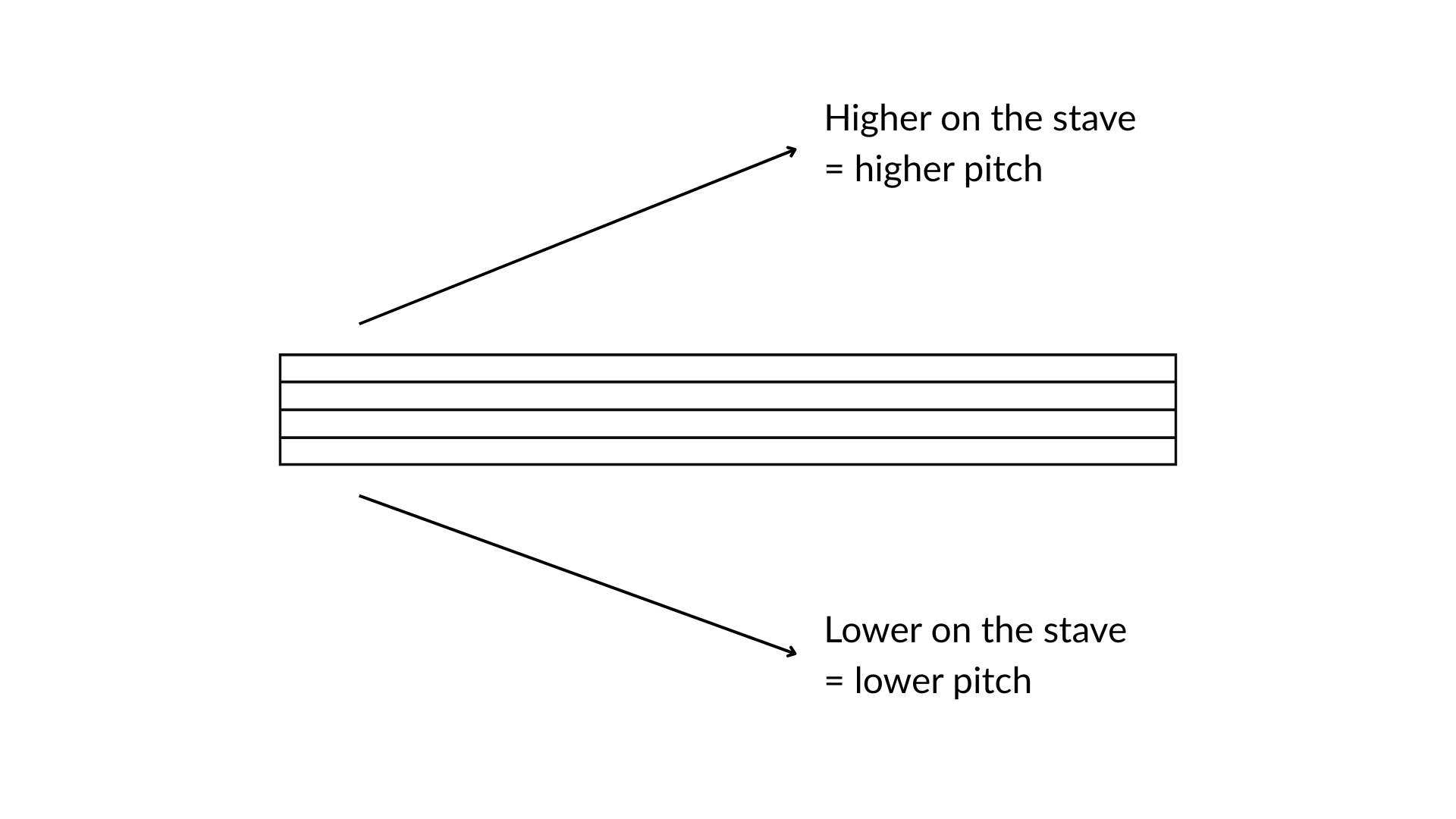
- Music is written on five lines called a stave or staff.
- Notes placed higher or lower on the stave indicate pitch (how high or low a note sounds).
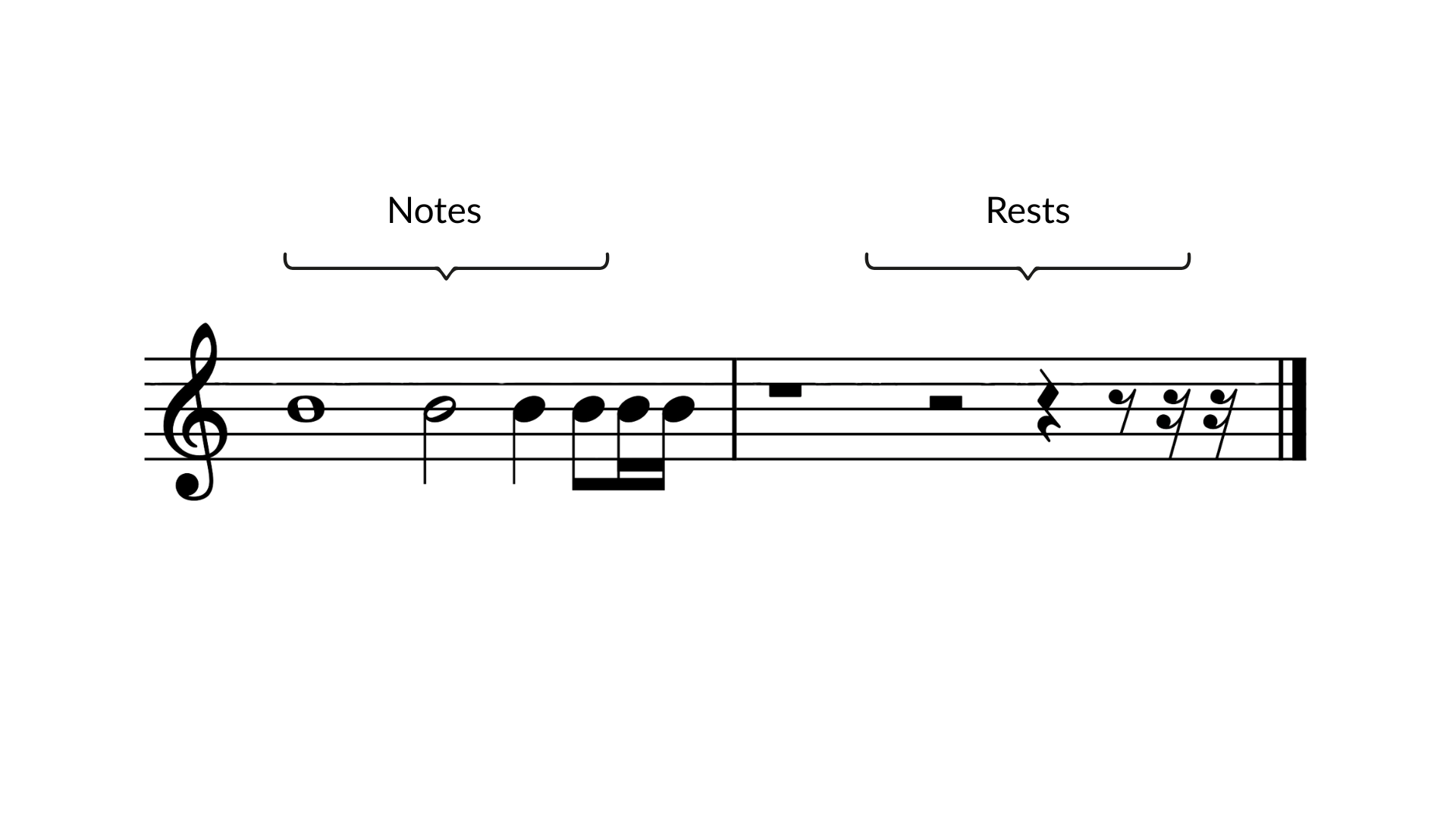
- Notes are written from left to right to show the flow of time.
- Notes indicate when to play, and rests indicate pauses.
Clefs:
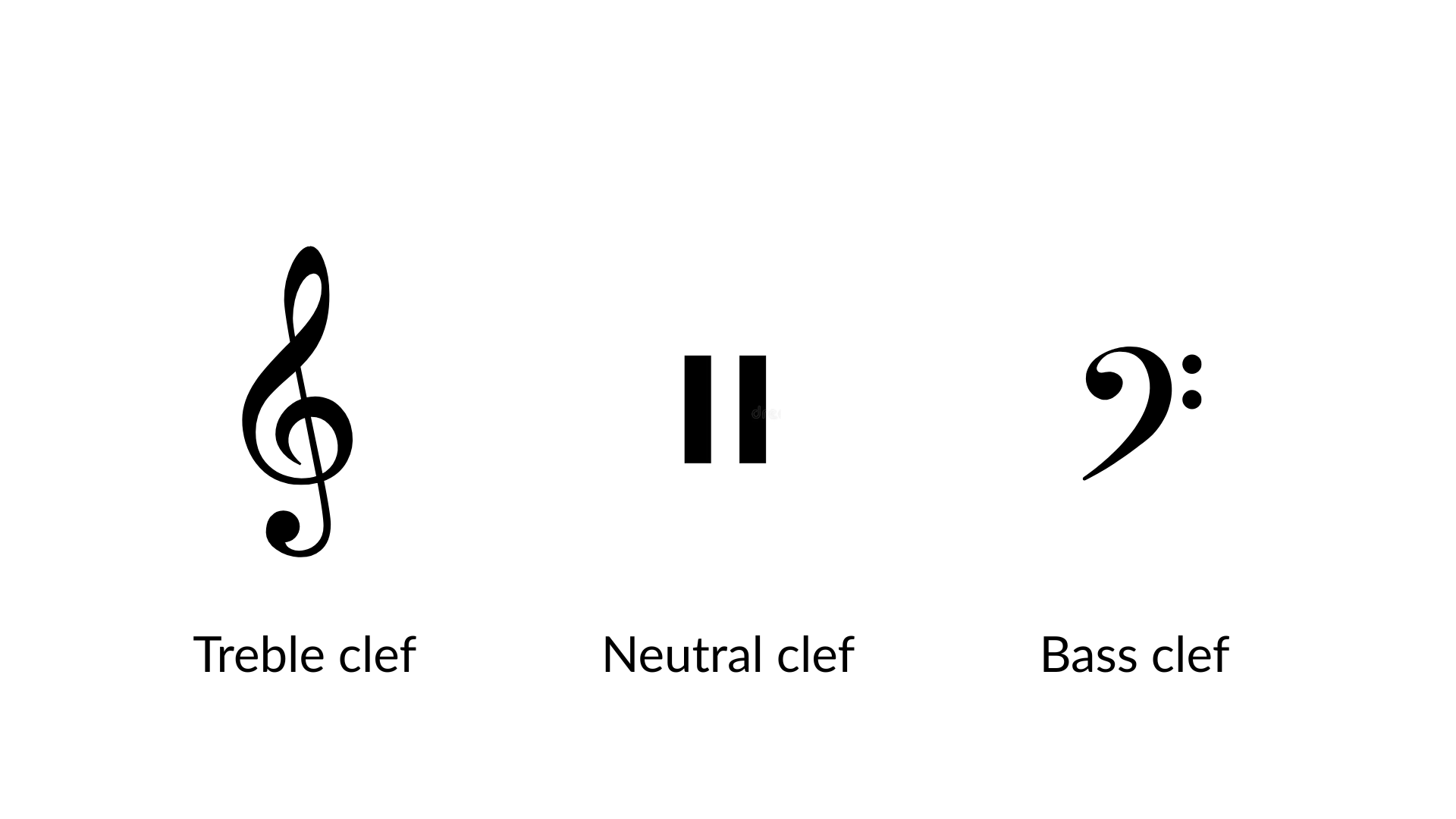
- A clef at the beginning of each stave tells you the pitch range of the music:
- Treble Clef: Used by instruments like guitar, trumpet, saxophone, and piano (right hand).
- Bass Clef: Used for piano (left hand), bass guitar, and other lower-pitched instruments.
- Neutral Clef: Used for drums, showing different drums and cymbals.
Viewing music on our platform:
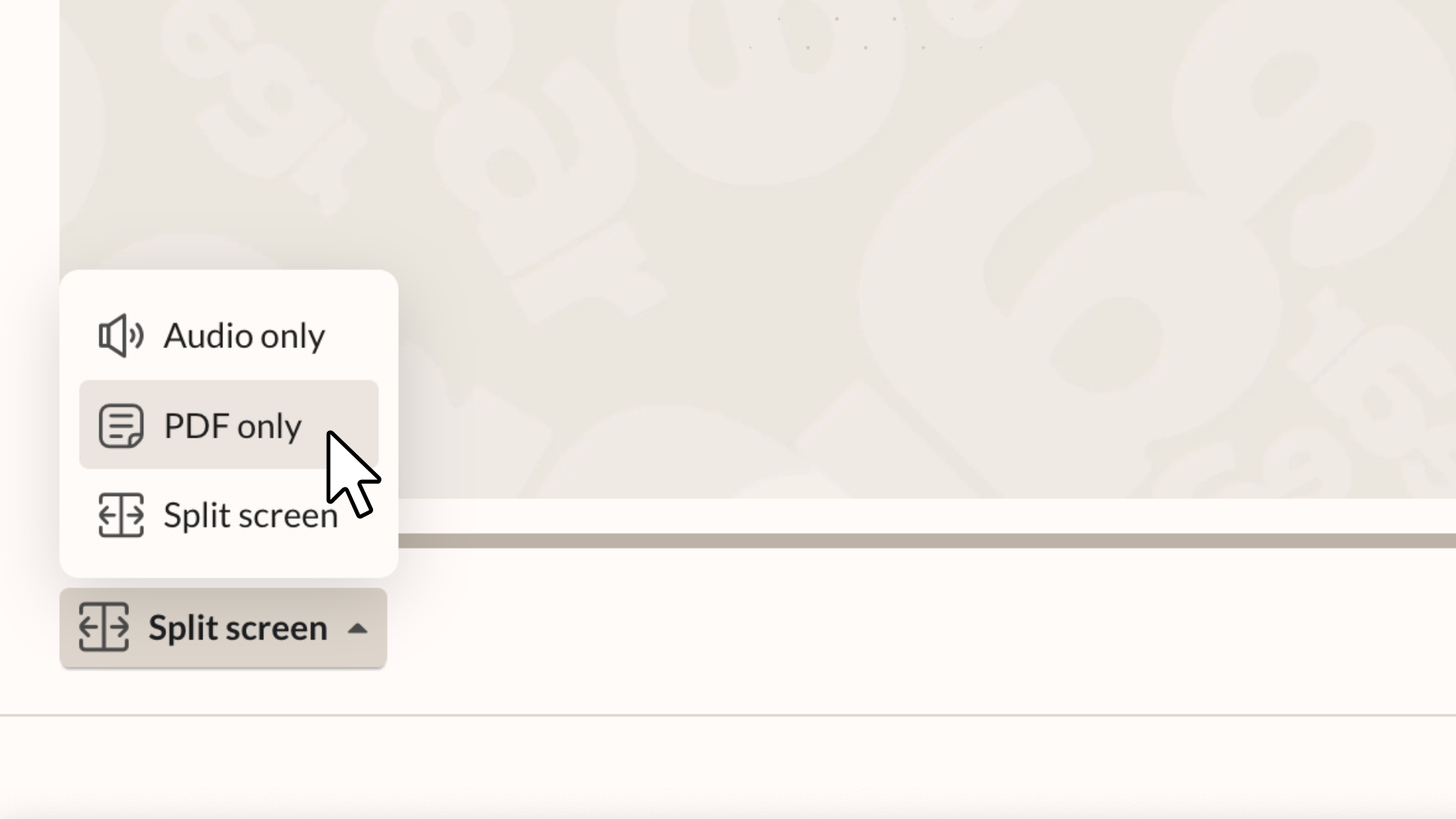
- Music is displayed as PDF scores during lessons.
- You can view, print, or download these PDFs or view them in split-screen mode.
- Notation is synced with playthroughs, backing tracks, or teacher recordings to help match what you hear and see.